Watercolor Beautiful Bird Sublimation: A Designer Review
First Impressions of This Hand-Painted Digital Asset
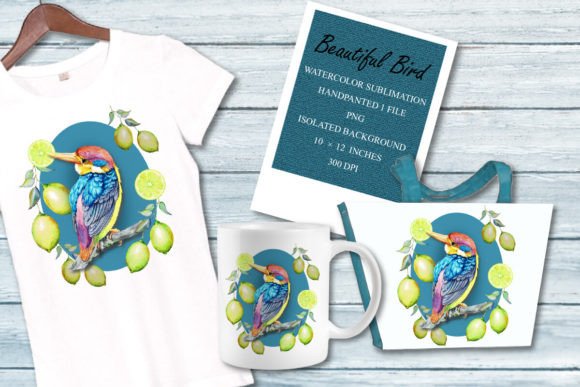
When evaluating Watercolor Beautiful Bird Sublimation for potential use in a mixed-media studio, the first thing that stands out is the organic fluidity of the artwork. As an experienced designer who bridges the gap between digital graphics and tactile needlework, I look for assets that possess enough visual weight to stand alone but enough transparency to layer beautifully. This high-resolution PNG file, delivered at 3000 x 3600 pixels and 300 dpi, offers a generous canvas size of 10 x 12 inches. For those of us working with Illustrations and Graphics, this resolution is critical. It ensures that when we scale the image down for a chest placement on a sweatshirt or up for a tote bag centerpiece, the watercolor edges remain crisp rather than pixelated.
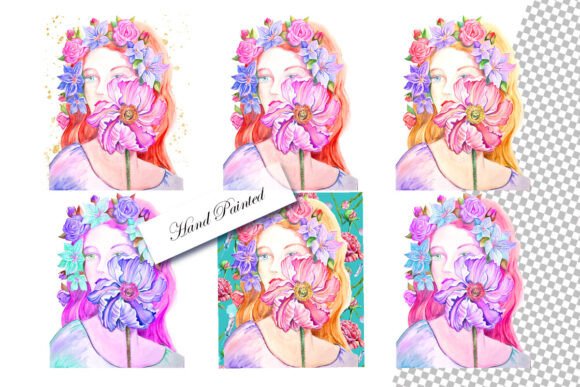
The mood of this piece is distinctly soft yet vibrant. Unlike vector art which can sometimes feel sterile, this hand-painted digital illustration carries the texture of traditional media. For an embroidery digitizer or sublimation artist, this means the design has built-in depth. The transparent background is a non-negotiable feature for professional workflows, allowing this bird motif to float seamlessly over fabric textures without the dreaded white box effect. Whether you are creating a personalized gift or stocking your Etsy shop with nature-inspired goods, the artistic integrity here supports a premium price point.
Real-World Application: Designing a Botanical Tote Bag
To truly understand how Watercolor Beautiful Bird Sublimation performs, I mentally placed it into a current client project: a series of botanical canvas tote bags intended for a local garden center boutique. In this scenario, the design serves as the anchor for a larger composition. Because the file is 10 x 12 inches, it fits perfectly within standard commercial hoop sizes or sublimation platens without requiring tiling or awkward resizing.
For this specific tote bag design, the watercolor style complements the natural weave of the canvas. If I were combining this with machine embroidery, I would use the PNG as a guide for placing a satin stitch border or a delicate running stitch outline around the bird’s silhouette. The soft gradients of the watercolor provide a beautiful contrast to the sheen of rayon or polyester threads. Alternatively, for pure sublimation on poly-coated tumblers or apparel, the 300 dpi resolution ensures that the subtle color bleeds characteristic of watercolor translate accurately during the heat press process. Customers respond to this level of detail; it signals that the product is a curated handmade product rather than mass-produced clip art.
Navigating Fabric Textures and Stabilizer Choices
While the digital file is pristine, the physical application requires careful consideration of fabric texture. Watercolor designs rely on gradient transitions that can be lost on highly textured surfaces. When planning sweatshirt embroidery or sublimation on fleece, be aware that the fabric's nap can obscure fine details. For custom apparel made from smooth cotton or performance polyester, this design will shine. However, if you are applying this to linen or burlap for a rustic aesthetic, consider using a solid backing or a simplified version of the art to maintain clarity.
Stabilizer selection becomes paramount if you are using this PNG as a template for digitizing a companion machine embroidery design. The open, airy nature of watercolor art suggests lighter stabilizers to prevent puckering, yet the large 10 x 12 inch footprint demands adequate support. Always test your stitch density and stabilizer combination on scrap fabric first. If you are strictly sublimating, ensure your substrate is light-colored; watercolor pigments are translucent and will not show up on dark fabrics unless you use a white underbase or specialized dark-sublimation transfers, which can alter the hand-feel of the garment.
Commercial Viability for Makers and Sellers
For the Etsy seller or small business owner, versatility is key to ROI. Watercolor Beautiful Bird Sublimation functions exceptionally well across multiple product categories. Beyond apparel, consider its value in home decor. The vertical orientation makes it ideal for tea towels, pillow covers, and nursery wall hangings. In my experience, nature-themed Graphics have high sell-through rates in the spring and summer seasons, making this asset timely for seasonal inventory planning.
From a branding perspective, consistency builds trust. Using a cohesive art style like this hand-painted bird allows you to create a recognizable collection. You might pair this with other floral elements to create a unified line of holiday embroidery items or wedding gifts. The professional quality of the source file elevates the perceived value of your finished goods. Buyers can distinguish between amateur clip art and professional design assets, and they are often willing to pay more for items that look intentionally designed rather than hastily assembled.
Technical Considerations Before Stitching or Pressing
Before committing this design to a final embroidery project or sublimation run, adhere to these practical checks:
- Verify Licensing: Always confirm whether your purchase includes commercial rights for selling finished products or if it is limited to personal use. This distinction is vital for protecting your craft business.
- Check Color Profiles: Sublimation colors often print duller than they appear on screen. Print a test swatch to verify that the watercolor hues match your expectations before pressing onto expensive blanks.
- Evaluate Hoop Size: At 10 x 12 inches, ensure your machine can handle this dimension. If you need to resize for smaller hoops like caps or baby clothes, check that the resolution remains sharp after scaling down.
- Mockup Testing: Use printable mockup templates to visualize placement. Seeing the bird centered versus off-center on a digital preview can save hours of re-hooping and wasted materials.
- Thread Matching: If adding embroidery accents, pull physical thread samples against a printed proof of the PNG. Screen colors rarely match thread dyes perfectly, and finding the right tone enhances the finished product.
Balancing Detail with Production Efficiency
One challenge with intricate Illustrations is production time. While Watercolor Beautiful Bird Sublimation is visually stunning, converting it entirely into stitches would result in excessive density and long run times. As a reviewer, I recommend a hybrid approach. Use the PNG for the main body of the bird via sublimation or direct-to-film transfer, and reserve embroidery for textural accents like feathers, branches, or typography. This strategy maintains the artistic beauty of the watercolor while keeping stitch density manageable and production costs reasonable.
This balance is especially important for baby embroidery or items worn against sensitive skin. Dense fill stitches can be stiff and uncomfortable. By leveraging the digital print for color and thread for texture, you create a personalized gift that is both beautiful and functional. Remember to inspect small details; watercolor splatters that look charming on screen might turn into messy jumps or trims when digitized. Simplifying these micro-elements during the editing phase ensures a cleaner stitch-out and a more professional result.
Final Thoughts on Artistic Integrity
Ultimately, Watercolor Beautiful Bird Sublimation succeeds because it respects the medium. It provides a high-quality foundation that empowers makers to create work they are proud of. Whether you are producing commercial embroidery for corporate clients or crafting unique pieces for a craft fair, the reliability of the source file matters. The 300 dpi resolution and transparent background are technical specs that translate directly to creative freedom. By understanding the interplay between this digital asset and physical substrates, you can maximize its potential and deliver products that resonate with customers seeking authentic, artful craftsmanship.