Religious Crafts: What God Knows About Me Design Review
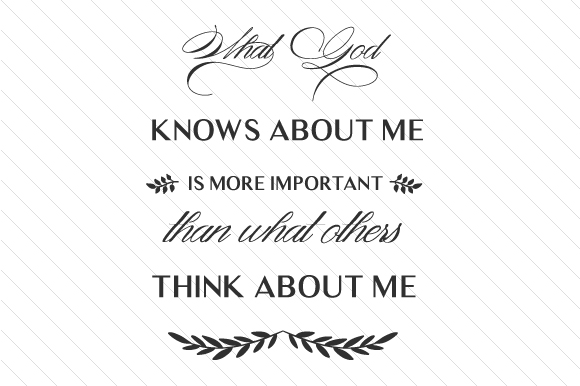
As a digital publisher and blog designer, I constantly evaluate how specific assets translate from a raw file to a polished web presence. When reviewing the graphic design asset titled What God Knows About Me is More Important Than What Others Think About Me, my primary focus is not just on the sentiment, but on its utility within a professional content marketing workflow. This piece serves as more than just a religious quote; it is a functional element for creators in the faith-based lifestyle niche who need to bridge the gap between personal inspiration and public-facing editorial quality.
The first impression of this asset is one of introspective clarity. Visually, it establishes an immediate emotional connection without feeling overly cluttered or chaotic. For a website owner or newsletter creator, this is crucial. The design mood strikes a balance between modern typography and traditional reverence, making it suitable for contemporary religious blogs rather than just archival or strictly academic sites. It feels authentic and vulnerable, which supports content aimed at readers navigating social anxiety, identity crises, or spiritual growth. As a cut file originally intended for crafts, its adaptation into digital spaces requires careful handling to ensure the lines remain crisp and the message remains legible against various web backgrounds.
Editorial Applications Across Digital Platforms
In a real publishing scenario, versatility is the metric that determines whether a design asset earns a permanent spot in my library. This specific graphic excels when repurposed across multiple touchpoints in a content strategy. For bloggers, it functions exceptionally well as a featured image for articles dealing with self-worth or divine validation. Because the text is the focal point, it eliminates the need for stock photography of people, which can sometimes feel generic or disconnected from the reader’s personal experience.
For those managing Pinterest marketing, this asset is a natural fit for vertical pins. The bold statement acts as a hook, encouraging clicks from users seeking encouragement. However, its utility extends beyond social media graphics. I have found that assets like this work beautifully as headers for digital guides or lead magnets. If you are creating a downloadable PDF journal or a prayer worksheet, placing this quote at the top of the page sets a consistent tone for the entire document. It reinforces brand identity by visually anchoring the spiritual theme before the reader even engages with the body copy.
- Blog Featured Images: Use as the primary visual for posts about overcoming judgment or finding peace.
- Pinterest Pins: Create high-contrast text overlays that stop the scroll in faith-based feeds.
- Digital Products: Incorporate into eBook covers, printable wall art, or affirmation cards.
- Email Marketing: Serve as a header graphic for devotionals or weekly encouragement newsletters.
- Affiliate Content: Pair with reviews of Christian living books or journals to add visual context.
Enhancing Reader Trust Through Visual Hierarchy
Visual hierarchy is often discussed in terms of conversion rates, but in the religious niche, it is equally about establishing trust and safety. When a reader lands on a page featuring What God Knows About Me is More Important Than What Others Think About Me, the design signals that the content is safe, empathetic, and aligned with their values. A polished presentation of this quote suggests that the publisher respects the weight of the message. Sloppy alignment or poor contrast would undermine the spiritual authority of the text.
From a web design perspective, this asset helps break up long-form text. In deep-dive articles or testimonies, walls of text can cause reader fatigue. Inserting this graphic as an editorial accent provides a visual breath, allowing the reader to pause and reflect. This improves dwell time and engagement metrics naturally. Furthermore, for affiliate marketers promoting faith-based resources, using original or curated design assets like this creates a unique visual identity that separates your site from competitors using the same generic stock photos. It transforms a standard review post into a cohesive narrative experience.
Optimal Placement and Strategic Caution
While this asset is powerful, placement dictates performance. It works best in hero sections, category thumbnails for "Faith" or "Mental Health" tags, and as standalone quotes on Instagram or Facebook. The bold nature of the statement demands space; it should never be crowded by sidebar widgets or intrusive pop-ups. In a newsletter, it serves as an excellent opener, setting the thematic stage before introducing the main teaching or product recommendation.
However, publishers must exercise caution in specific contexts. Avoid using this graphic in small mobile thumbnails where the intricate details of the cut-file style might blur or become illegible. It is also less effective in highly corporate or clinical settings where a minimalist, sans-serif aesthetic is required. The decorative elements inherent in many religious craft designs can clash with sterile, professional layouts. Additionally, be mindful of background contrast. If your website uses a dark mode or complex textured background, ensure the asset has been properly adapted with a solid backing or outline to maintain readability. Accessibility is non-negotiable; if the text cannot be read easily, the message fails regardless of its spiritual value.
Technical Publisher Notes for Professional Implementation
Before deploying What God Knows About Me is More Important Than What Others Think About Me on a live site, run through this practical checklist to ensure commercial and technical viability. These steps separate amateur blogs from professional digital publications.
- Verify Commercial Licensing: Since this originates as a craft cut file, confirm that your license covers digital publishing, especially if used in monetized content, paid digital downloads, or affiliate marketing materials. Never assume a personal craft license extends to commercial web use.
- Test Cross-Device Legibility: Preview the graphic on a desktop monitor, a tablet, and a smartphone. Text that looks bold on a 27-inch screen may vanish on a 6-inch phone display. Adjust sizing or padding accordingly.
- Font Pairing Strategy: Test the asset beside your site’s primary fonts. If the quote uses a script font, pair it with clean sans-serif body text to avoid visual competition. If the quote is bold and blocky, a serif heading may provide elegant contrast.
- File Optimization: Craft files are often vector-based or high-resolution PNGs. Compress the final web image to under 100KB where possible without losing edge sharpness. Large unoptimized images destroy page speed and SEO rankings.
- Contrast Compliance: Run the color combination through a WCAG contrast checker. Spiritual content must be accessible to all readers, including those with visual impairments. Low contrast is both an exclusion issue and a bounce-rate driver.
- Contextual Relevance Check: Ensure the surrounding content genuinely aligns with the quote. Using profound spiritual statements merely as clickbait erodes audience trust over time. The asset should amplify the content, not distract from a mismatched topic.
Ultimately, integrating What God Knows About Me is More Important Than What Others Think About Me into your publishing workflow offers a distinct advantage for faith-based creators. It bridges the tactile world of religious crafts with the dynamic needs of modern digital media. By treating this asset with the same rigor as any other element of your web design system—testing, optimizing, and contextualizing it—you elevate your content from simple information sharing to meaningful visual ministry. Whether used in a Canva template for social media or as the cornerstone of a new digital guide, this design carries the potential to resonate deeply, provided it is presented with the excellence that both the message and your audience deserve.